
STEPS
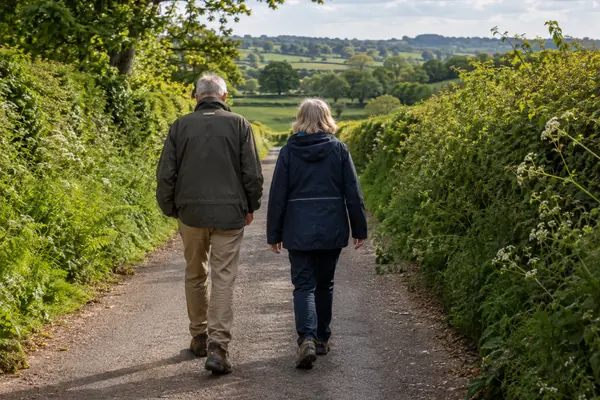
Around 7,000 a day
A 2025 review of 57 studies found 7,000 steps a day was linked to a 47 percent lower risk of death than 2,000, nearly the same as 10,000.
Check your stepsWHAT THE RESEARCH SAYS
You may not need 10,000 steps.
Large studies of step counters suggest most of the health gain comes well before that, and that the biggest jump is for people who move the least. Pace matters too: a brisk walk counts towards your weekly activity.

7,000 steps a day goes a long way
THE SHORT ANSWER
The research looks at how many steps,
how fast, and who gains most.
STEPS
A 2025 review of 57 studies found 7,000 steps a day was linked to a 47 percent lower risk of death than 2,000, nearly the same as 10,000.
Check your stepsPACE
The NHS calls a brisk walk about 3 miles an hour: you can still talk, but you cannot sing. Researchers put it at roughly 100 steps a minute.
Find your paceAGE
In a 2022 analysis of 47,471 adults, the benefit levelled off at 6,000 to 8,000 steps for over-60s and 8,000 to 10,000 for younger adults.
See the numbersA QUICK STEP CHECK
Pick a typical daily step count to see what the 2025 Lancet Public Health review found, compared with people taking about 2,000 steps a day. The bar shows how much of the measured benefit you are likely getting.
These are associations from observational studies, not a personal prediction. This is general information, not medical advice.
TWO NUMBERS WORTH KNOWING
One figure on daily steps,
one on what a brisk pace looks like.
47%
Lower risk of death at 7,000 vs 2,000 steps
A review of 57 studies led by the University of Sydney found 7,000 steps a day was linked to a 47 percent lower risk of death than 2,000, nearly identical to 10,000 steps.
DAILY STEPS · LANCET PUBLIC HEALTH 2025
≈ 100 steps/min
Steps a minute for moderate intensity
A laboratory study of 76 adults aged 21 to 40 set about 100 steps a minute as moderate intensity and about 130 as vigorous.
PACE · CADENCE-ADULTS 2019
A 2022 analysis of 15 studies and 47,471 adults found that taking more steps a day was linked to a progressively lower risk of death, levelling off at 6,000 to 8,000 steps for people aged 60 and over.
FOUR WAYS TO WALK MORE
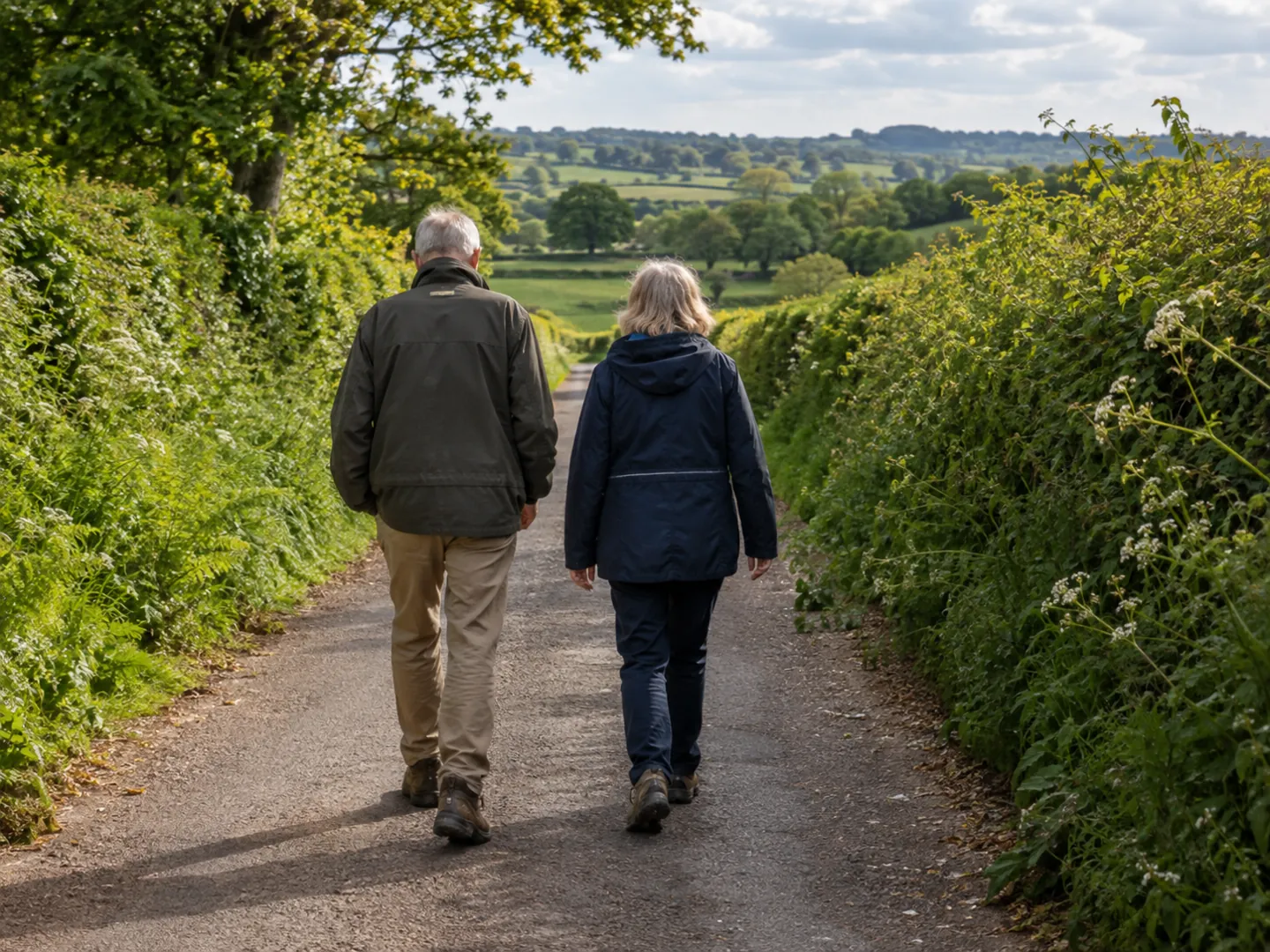
The NHS lists brisk walking as moderate activity, and adults are advised to do at least 150 minutes of it a week. These habits help it add up.
The NHS says a brisk 10-minute daily walk has lots of health benefits and counts towards your 150 minutes a week.
If you can still talk but cannot sing the words to a song, you are walking briskly.
Count your steps for 15 seconds and multiply by four. Around 100 a minute is moderate intensity.
Guidance suggests spreading activity over 4 to 5 days a week, or every day, and breaking up long spells of sitting.
THE BIGGER PICTURE

NHS guidance for adults aged 19 to 64 is at least 150 minutes of moderate activity or 75 minutes of vigorous activity a week, plus strengthening activities that work all the major muscle groups on at least 2 days a week.
Brisk walking is one of the simplest ways to reach the moderate target. The NHS calls walking simple, free and one of the easiest ways to get more active, and advises reducing time spent sitting or lying down.
Questions
Not necessarily. A 2025 review of 57 studies found 7,000 steps a day was linked to nearly the same lower risk of death as 10,000. The researchers said 10,000 is great for people who are already active, but extra benefits beyond 7,000 were modest for most outcomes.
The NHS says a brisk walk is about 3 miles an hour, faster than a stroll. A simple check is that you can still talk but cannot sing the words to a song.
Count your steps for 15 seconds and multiply by four. In a study of adults aged 21 to 40, about 100 steps a minute marked moderate intensity and about 130 marked vigorous.
Yes. The NHS lists brisk walking as a moderate intensity activity, and says a brisk 10-minute daily walk counts towards your 150 minutes of weekly exercise.
One 2022 analysis of 47,471 adults found the lower risk of death levelled off at 6,000 to 8,000 steps a day for people aged 60 and over, and at 8,000 to 10,000 for younger adults.
Sources
ABOUT THIS NAME
doodlewalk.com is part of the DoodleSale portfolio. It isn't in an auction right now, but you can ask about leasing it.